ICOM IC-A25N Handheld NAV/COM Transceiver w/ Bluetooth – Open Box: Reliable NAV/COM Performance
ICOM IC-A25N Handheld NAV/COM Transceiver w/ Bluetooth – Open Box: Reliable NAV/COM Performance
Blog Article
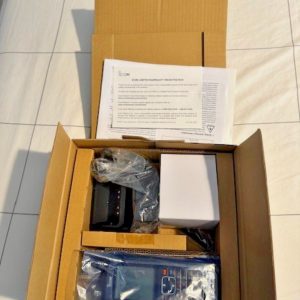
:::writingvariant="document" id="58314" ICOM IC-A25N Handheld NAV/COM Transceiver w/ Bluetooth – Open Box: Portable Aviation Radio The ICOM IC-A25N Handheld NAV/COM Transceiver w/ Bluetooth – Open Box is a versatile communication and navigation device for pilots, flight instructors, aircraft operators, aviation students, and ground personnel who require dependable portable radio capability. An open-box ICOM transceiver can be attractive to buyers who want dependable features while reducing the cost of purchasing professional aviation equipment. The ICOM IC-A25N Handheld NAV is suitable for users who want portable access to communication and navigation-related functions during flight preparation, cockpit operations, instruction, emergency planning, or airport ground activities. The ICOM IC-A25N Aviation Radio offers portable flexibility for aircraft owners who do not want to rely exclusively on panel-mounted communication equipment. A portable ICOM IC-A25N Handheld Radio supports flexible aviation operations because it can remain with the pilot rather than being permanently installed in one aircraft. A capable Handheld NAV/COM Aviation Transceiver provides pilots with an integrated solution that can be stored conveniently and accessed quickly. Whether the intended use involves a Handheld Aviation Radio, Aviation NAV/COM Radio, Pilot Handheld Radio, or Aircraft Communication Radio, dependable battery and antenna performance remain important. The unit may also serve as a Portable Aviation Transceiver, Aviation Communication Device, Handheld Aircraft Radio, Aviation Navigation Radio, ICOM Pilot Radio, Emergency Aviation Radio, or Backup Aircraft Radio for appropriate aviation applications.
Overview of the ICOM IC-A25N Aviation Radio
This handheld transceiver offers pilots a convenient way to carry aviation communication equipment independently of the aircraft’s installed radio system. The IC-A25N may appeal to users who prioritize strong construction, straightforward operation, and access to aviation functions away from the instrument panel. A handheld radio can provide valuable support, but performance may depend on antenna position, aircraft structure, terrain, distance, interference, battery condition, and operating environment. Pilots should test the radio during routine conditions and become familiar with its operation before expecting to use it during an urgent situation.Using the ICOM IC-A25N Handheld NAV
A handheld NAV radio can be valuable to flight instructors who demonstrate aviation communication and navigation concepts during training. Aircraft owners may keep the radio available when maintenance temporarily removes power from installed communication equipment. Navigation features should support rather than replace required pilot preparation, approved navigation equipment, current charts, and appropriate operational judgment. The radio should be stored securely so it does not interfere with controls, visibility, passengers, or emergency egress.ICOM IC-A25N Aviation Radio Applications
The radio may be useful to pilots operating aircraft with limited avionics, temporary communication problems, or different cockpit configurations. The radio may also be useful at aviation events, remote airfields, flight schools, maintenance shops, aircraft demonstrations, and airport operations areas. Buyers should consider the radio’s physical condition, battery age, charging equipment, antenna, clips, headset accessories, manuals, packaging, and evidence of proper operation. A functional demonstration can confirm that the radio powers on, accepts charging, responds to controls, displays information, produces audio, and recognizes included equipment.ICOM IC-A25N Handheld Radio Applications
The handheld format allows the radio to move with the pilot between personal, rental, training, business, and club aircraft. Pilots should protect the radio with a suitable case or organized storage compartment to reduce the risk of impact, moisture, connector damage, or accidental control activation. Pilots can practice with the radio at home or in a classroom while following the applicable manual and operating guidance. A portable radio should not be left in extreme heat, direct sunlight, freezing conditions, or damp environments for extended periods.Using a Handheld NAV/COM Aviation Transceiver
The device may be especially valuable to pilots who operate older aircraft, rented aircraft, or airplanes with limited redundancy. Commercial value depends on condition, package completeness, included equipment, seller support, and the cost of any more info missing accessories. A handheld transceiver becomes more dependable when it is included in routine preflight preparation rather than checked only during emergencies. Any abnormal heat, charging issue, intermittent audio, damaged control, loose connector, or battery swelling should be investigated before further operation.Handheld Aviation Radio for General Aviation
General aviation users may carry a portable radio during training flights, cross-country operations, maintenance, aircraft repositioning, and airport events. Regular practice and maintenance turn a handheld device into meaningful backup equipment rather than an unverified accessory. The operating manual and applicable aviation procedures should guide setup and use. Pilots must use aviation frequencies responsibly and comply with applicable licensing, authorization, frequency, and communication requirements.Using an Aviation NAV/COM Radio
The IC-A25N can be carried across different aircraft, allowing one pilot to maintain familiarity with the same handheld controls. A portable radio should support cockpit management rather than add unnecessary workload. The device is most effective when integrated into a disciplined aviation workflow rather than treated as a single solution for every situation. Volume and squelch should be adjusted appropriately while avoiding unnecessary distraction.Pilot Handheld Radio for Flight Operations
A Pilot Handheld Radio can provide useful communication redundancy during cross-country flights, aircraft delivery, rental operations, training, and travel to unfamiliar airports. The microphone, antenna, cables, headset adapters, and charger should be stored so they do not become tangled or damaged. Emergency equipment is more useful when essential controls can be operated confidently without lengthy manual review. The radio’s charging schedule should reflect how often it is used and how long it remains stored between flights.Choosing an Aircraft Communication Radio
An Aircraft Communication Radio supports communication between pilots, air traffic services, other aircraft, flight instructors, and authorized ground personnel. Clear communication depends on more than radio quality because users must understand procedures, frequencies, terminology, timing, and radio discipline. Buildings and hangar structures can also reduce radio performance during ground use. The radio should be protected from impact, vibration, liquid exposure, extreme temperature, and damaged accessories.Portable Aviation Transceiver Advantages
The ability to carry the radio personally helps operators maintain access to familiar controls and stored settings. A protective case can separate the radio from tools, keys, metal objects, liquids, and heavy equipment inside a flight bag. Users should understand how to disconnect or change the wireless connection if audio is routed incorrectly during operation. Pilots should avoid troubleshooting complicated pairing issues during high-workload phases of flight.Maintaining an Aviation Communication Device
The ideal device balances functionality with an interface the user understands and can operate confidently. Buyers should avoid assuming that open-box always means unused or that every accessory remains included. Users should report intermittent operation, damaged accessories, weak batteries, charging concerns, or missing components promptly. A radio configured for one headset or training environment may need adjustment before being issued for another application.Handheld Aircraft Radio Applications
A Handheld Aircraft Radio can provide useful communication capability both inside the cockpit and around the aircraft during maintenance, preflight, towing, fueling, or operational preparation. Using the radio on the ground can preserve aircraft battery power and reduce the need to energize installed avionics solely for monitoring or coordination. The unit must remain accessible without forcing the pilot to look away from primary responsibilities for an extended period. Consistent care helps a Handheld Aircraft Radio transition reliably between cockpit, hangar, ramp, and storage use.Using an Aviation Navigation Radio
The aviation-focused interface is intended to support pilots who need quick access to practical features in a compact format. Pilots should confirm which navigation functions are available, how they operate, and what limitations apply before relying on them. The device should become part of a layered navigation and communication strategy rather than the sole source of critical information. Regular checks should confirm that stored information, settings, battery status, and display performance remain suitable for use.ICOM Pilot Radio Applications
The radio may also suit instructors, aircraft technicians, flight departments, and airport operations personnel who require portable communication equipment. Brand reputation should be considered alongside the condition and completeness of the specific unit being purchased. The correct purchasing decision reflects mission, budget, equipment condition, support needs, and actual operational preferences. Once acquired, the radio should be labeled, documented, configured, charged, tested, and stored in an accessible location.Emergency Aviation Radio Benefits
The IC-A25N can become part of a broader emergency equipment strategy appropriate to the aircraft, route, environment, and pilot’s needs. The pilot should understand how portable-radio range may differ from normal aircraft communication equipment. Emergency preparation may include checking battery endurance, carrying an appropriate backup power source, protecting the antenna, and confirming headset compatibility. The radio should be tested periodically without making unauthorized transmissions or interfering with operational frequencies.Backup Aircraft Radio Applications
Pilots who operate several aircraft can carry the same Backup Aircraft Radio and remain familiar with its controls across different cockpit layouts. Stored batteries can lose capacity, accessories can become misplaced, settings can change, and physical damage may go unnoticed. The device should be placed where it can be retrieved quickly without interfering with flight controls or becoming a loose object. The handheld radio should support safe aircraft management rather than draw attention away from immediate flight responsibilities.Evaluating an Open-Box Aviation Radio
The display should illuminate correctly and remain free from major damage, unreadable sections, or unexplained visual problems. The package should be compared with the seller’s inventory to confirm the radio, battery, antenna, charger, adapters, clip, documentation, packaging, and other included accessories. A complete demonstration can provide valuable confidence for buyers who cannot inspect the radio in person. The radio should be protected from impact, moisture, static, loose movement, and pressure during transportation.Routine Care for a Handheld Aviation Radio
A handheld aviation radio can provide many years of useful service when it is protected from impact, moisture, heat, contamination, and careless storage. Maintenance should be completed before the radio is needed for an important flight or emergency role.- Check for cracks, loose parts, damaged buttons, display concerns, weak battery performance, antenna damage, charging problems, and missing accessories.
- Test the complete communication setup in an appropriate manner and understand how to use the radio without Bluetooth if needed.
- Use a protective case or dedicated flight-bag compartment so the radio remains accessible, complete, and free from damage.